
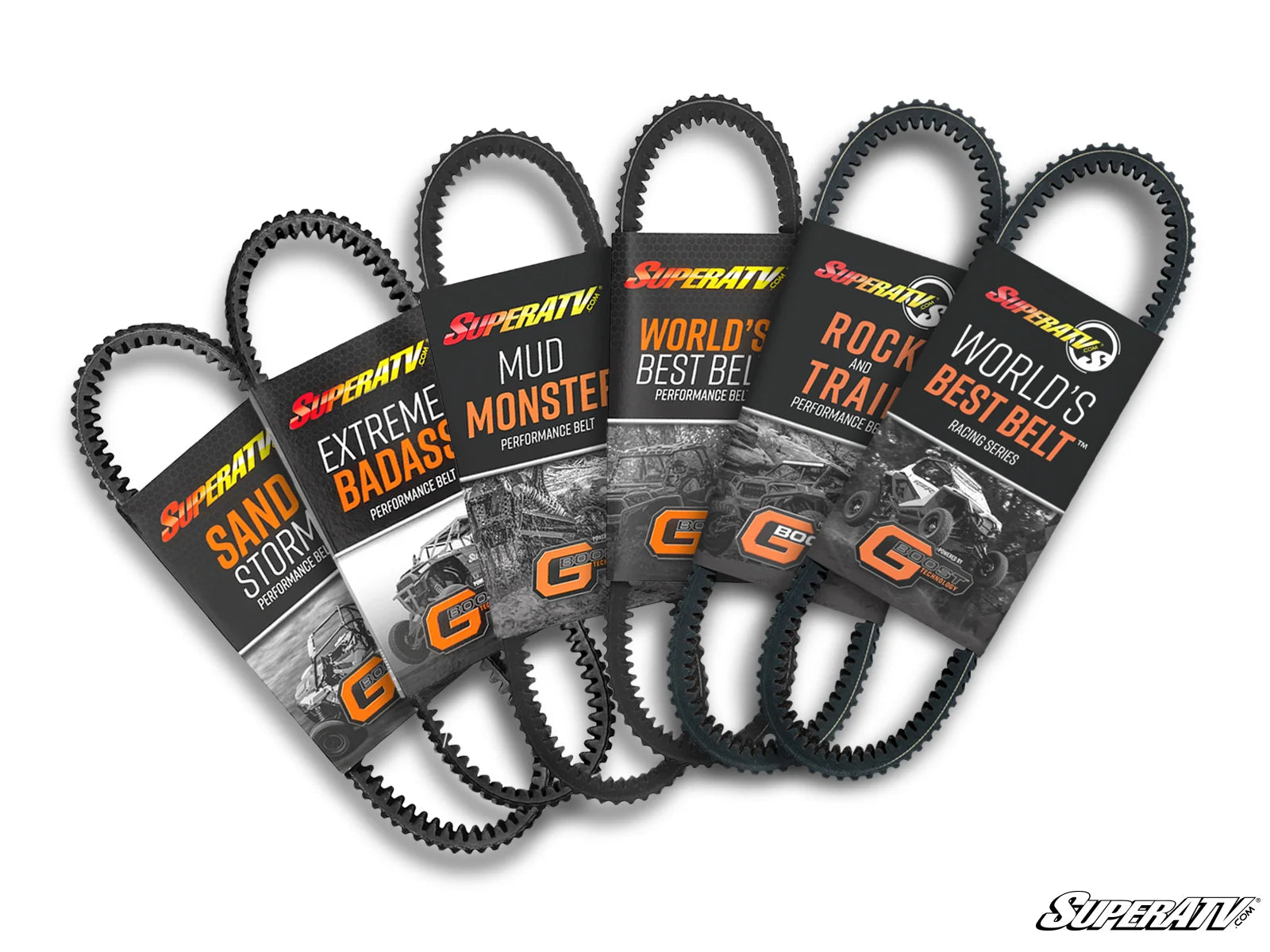
Your drive belt is one of the hardest-working components on your UTV, yet it's often one of the most overlooked. Whether you use your machine for trail riding, hunting, work around the farm, or weekend adventures, your CVT drive belt is constantly transferring power from the engine to the transmission.
Like brake pads and tires, drive belts are wear items. They won't last forever, and waiting until one breaks can quickly turn a great day of riding into a long walk back to the truck.
Knowing the warning signs of a worn drive belt can help you avoid unexpected breakdowns and keep your machine performing the way it should. At Reed Cycles in St. Joseph, Missouri, we stock replacement drive belts for many belt-driven Polaris, Can-Am, Yamaha, Kawasaki, and other UTV models. If you are unsure which belt fits your machine, our team can help verify the correct application.
What Does a Drive Belt Actually Do?
Many UTVs use a continuously variable transmission, commonly called a CVT. The drive belt connects the primary and secondary clutches and transfers engine power through the CVT to the drivetrain. As the clutch sheaves move, the belt changes position to provide the appropriate effective gear ratio for the machine's speed and load.
Because the belt is constantly under tension and exposed to heat, friction, and heavy loads, it naturally wears over time. Riding style, terrain, maintenance habits, and even the accessories installed on your machine can all affect how long a belt lasts.
1. You Notice a Burning Rubber Smell
A noticeable burning-rubber smell may indicate that the drive belt is overheating or slipping. This usually means the belt has overheated due to excessive slipping or heavy use. While you may notice a slight odor after particularly demanding riding, a strong or persistent burning smell shouldn't be ignored. Continuing to ride with an overheating belt can dramatically shorten its lifespan and increase the chances of complete belt failure.
2. Your Machine Doesn't Accelerate Like It Used To
If your engine is revving normally but your UTV feels sluggish or doesn't accelerate as quickly as it once did, your drive belt may no longer be transferring power efficiently. As belts wear, they lose their ability to grip the clutch sheaves properly, reducing performance and making the machine feel less responsive. If the engine revs but the machine feels less responsive, the drive belt and clutch system are worth inspecting.
3. Rough or Jerky Engagement
A healthy drive belt should provide smooth, predictable engagement when you apply the throttle. If your machine begins to jerk, shudder, or engage roughly from a stop, the belt or clutch components may require inspection. While clutch issues can produce similar symptoms, the belt is one of the first components that should be inspected because it's a relatively simple item to check.
4. Visible Wear or Damage
You don't have to wait for a belt to break before replacing it. During routine maintenance, inspect the belt according to the procedure in your owner's or service manual. Cracks, frayed edges, glazing, missing material, uneven wear, or excessive belt dust may indicate that replacement is needed. Replacing a worn belt before it fails is far less inconvenient than being stranded miles from your trailer.
5. Unusual Noises Coming From the Clutch Area
Squealing, chirping, or other unusual noises coming from your clutch housing shouldn't be ignored. While these sounds aren't always caused by the belt itself, they can indicate excessive belt wear, improper belt operation, or clutch-related issues. Catching these problems early may help prevent more expensive repairs later.
What Causes Drive Belts to Wear Out?
Not every belt wears out simply because of age. How you ride plays a major role in how long your belt lasts. Heavy towing, deep mud, steep terrain, aggressive acceleration, oversized tires, excessive heat, and frequent stop-and-go riding all place additional stress on the belt. Even under normal riding conditions, belts are considered a maintenance item and will eventually need replacement.
Using low range when appropriate can help reduce unnecessary belt heat and stress, especially when towing, carrying heavy loads, climbing steep terrain, traveling slowly over technical terrain, or riding through deep mud. Follow the recommendations in your machine's owner's manual.
Should You Carry a Spare Belt?
If you regularly ride far from your trailer or travel in remote areas, carrying a properly stored spare belt is worth considering. A spare can help you avoid a lengthy recovery, provided you have the necessary tools and know the correct replacement procedure for your machine.
A dedicated belt storage case can help keep the spare secure and protected from dirt, mud, and trail debris. Before heading out, make sure the belt is the correct part for your machine and that you understand the manufacturer's replacement procedure.
Don't Wait Until It Breaks
A common mistake is waiting until a drive belt completely fails before replacing it. Like any maintenance item, replacing your belt before it reaches the point of failure helps keep your machine reliable and reduces the chances of being stranded during your next ride. If you've noticed any of the warning signs discussed above, it's worth taking a few minutes to inspect your belt before your next trip.
Frequently Asked Questions
How long does a UTV drive belt last?
There's no single answer because belt life depends on riding style, terrain, maintenance, and how the machine is used. Trail riding, mud, towing, oversized tires, and aggressive acceleration can all shorten the lifespan of a drive belt. Regular inspections are the best way to determine when replacement is needed.
Can I replace a drive belt myself?
Many drive belts can be replaced with basic tools and a little mechanical knowledge. Always refer to your owner's manual or service manual for the correct replacement procedure for your specific machine.
Should I carry a spare drive belt?
If you ride in remote areas or travel a significant distance from your trailer, carrying a spare belt is a good precaution. Make sure it fits your exact machine and that you have the tools and knowledge needed to replace it.
Do oversized tires wear out drive belts faster?
Oversized tires place additional strain on the drivetrain and can increase belt wear, especially if the machine isn't geared appropriately or low range isn't used when needed.
How can I make my drive belt last longer?
Inspect the belt at the manufacturer's recommended intervals, use low range when appropriate, avoid prolonged belt slipping, keep the CVT intake and exhaust areas clear, and address clutch or cooling problems that could create excessive heat. Always follow the operating and maintenance guidance for your specific machine.